Observe
Make a specimen record
Keep the label, visible features and unanswered questions together. Add photos in the notebook or a sketch on the observation sheet.

Quartz family · Collection guide
Our specimen labelled Citrine shows yellow-orange points, a pale base and bright reflections.
Citrine is yellow-to-brownish-orange Quartz. Natural Citrine is uncommon, and much commercial material is heat-treated Amethyst.
Warm soapy water suits a sound citrine gem. Check attached material, treatments and repairs before washing a cluster. Avoid steam, sudden temperature changes and prolonged intense light.
From Rock & Crystal Secrets · YouTube Short · 0:31
Watch our Citrine Short, examine the colour clues and learn what to ask before buying a specimen.
The video may show a different specimen. Compare what you see with this page’s identification and care notes.
Our collection · A closer look
Look from the orange upper cluster down to the pale base of our specimen labelled Citrine. One face catches the light especially strongly in this view.
Golden-orange points crowd the upper part of the cluster. Follow the deeper amber areas and see where they meet lighter yellow patches.
A bright white reflection crosses a flat-looking face near the centre. Nearby faces look darker at this angle. Note the shape of the highlight when you describe the colour around it.
The orange fades into a pale cream area at the lower right. Follow that area down towards the rough olive-grey material beside it.
Sketch one edge of the cluster and mark an orange point, the bright reflection and the pale base. If you have a similar piece, photograph it from a second angle under the same light and see which highlights move.
Get the free observation sheet →The orange-to-cream colour pattern leaves the origin and heat-treatment history of this piece open. Record the supplied label alongside the features you can see.
Explore the Citrine treatment video guide →Look a little closer
Compare the orange-yellow tips with the pale base. These are useful observations to record, but colour and a photograph alone do not prove whether the material was heat-treated.
Citrine is commonly associated with confidence, optimism, creativity, and abundance.
These are cultural or spiritual associations, separate from mineral science. They are not demonstrated health or financial effects.
Compare this cluster with Amethyst and Smoky Quartz. All belong to the quartz family. Heating can change some Amethyst to Citrine, but neither an orange tip nor a white base proves the treatment history of an individual piece.
Compare Citrine side by side →Further reading: GIA: Citrine treatment (opens in a new tab)
Practical answers
No. Heat-treated amethyst is quartz whose colour has been changed; glass is a different material. A useful description should distinguish material identity, natural or laboratory growth, and treatment rather than relying on the single word “real”.
They can prompt questions, but a photograph alone does not establish treatment history. Record the colour pattern as an observation and ask the seller whether treatment is known, suspected or unknown. Our collection photograph is not a laboratory report.
Ask what supports the untreated-colour claim and request the description in writing. If there is a report, check that it refers to that specimen and actually addresses treatment. A locality label or attractive photograph does not answer those questions by itself.
These sources explain mineral properties, reported treatments and care advice. The collection photograph and its label describe the piece shown.
Reviewed by Rock & Crystal Secrets on 24 November 2026. How we review guides · Suggest a correction
Your next discovery
Build on what you noticed about Citrine. Choose a next step.
Observe
Keep the label, visible features and unanswered questions together. Add photos in the notebook or a sketch on the observation sheet.
Understand
Plain-English explanations for the clues you are learning to describe.
Compare
Explore the differences and the limits of identifying stones by appearance.
Watch
Jump to the related videos below. Notice what changes with movement and light.
Choose a related video ↓From Rock & Crystal Secrets
Choose a video about Citrine, then return to the identification clues above. What can you observe, and what still needs checking?
 5:13
YouTube videoAug 2026
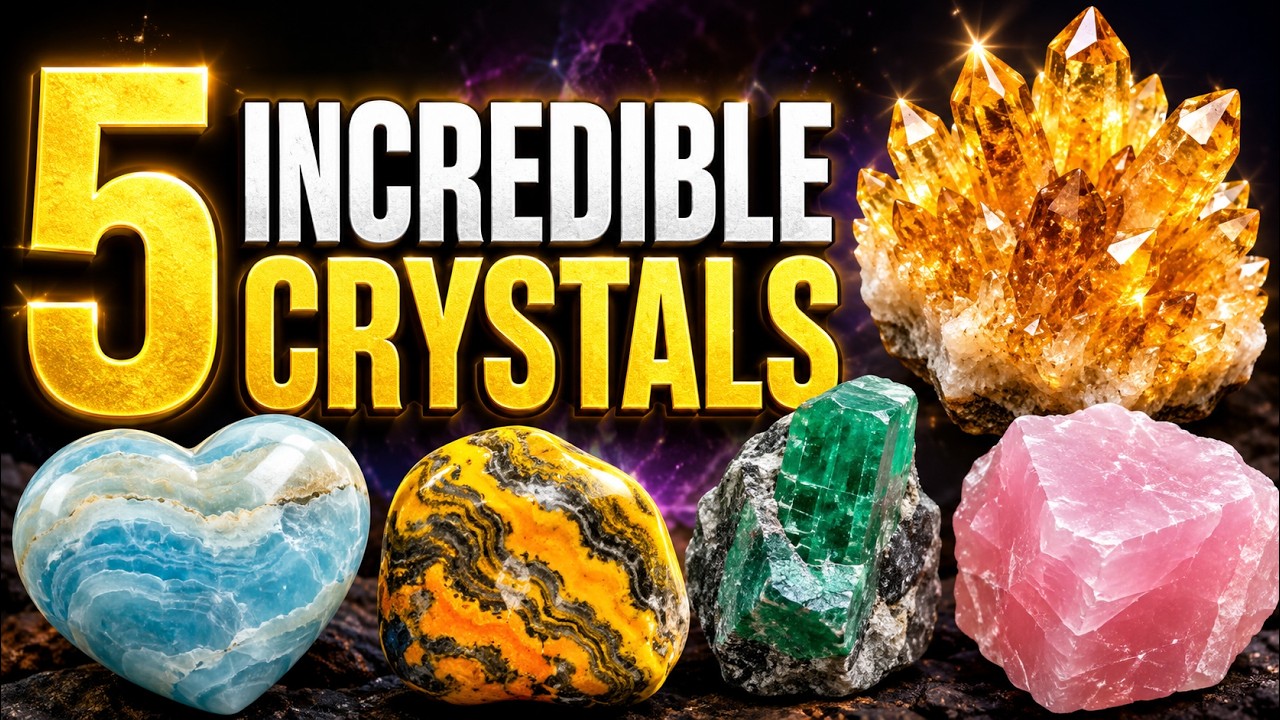
Meet crystals including citrine, emerald and bumble bee jasper, then compare their written guides.
Watch on YouTube (opens in a new tab)Read alongside this video
 0:15
YouTube ShortOct 2025
A quick introduction to citrine. Follow the comparison guide for the more difficult question of heat treatment.
Watch on YouTube (opens in a new tab)Read alongside this video
Videos explore this crystal topic; they may show different specimens. Traditional meanings are presented separately from scientific identification.